26 Aug 2026
Mechanics Behind Integrated Bonus Flows Connecting Slot Reels, Blackjack, and Athletic Wagers
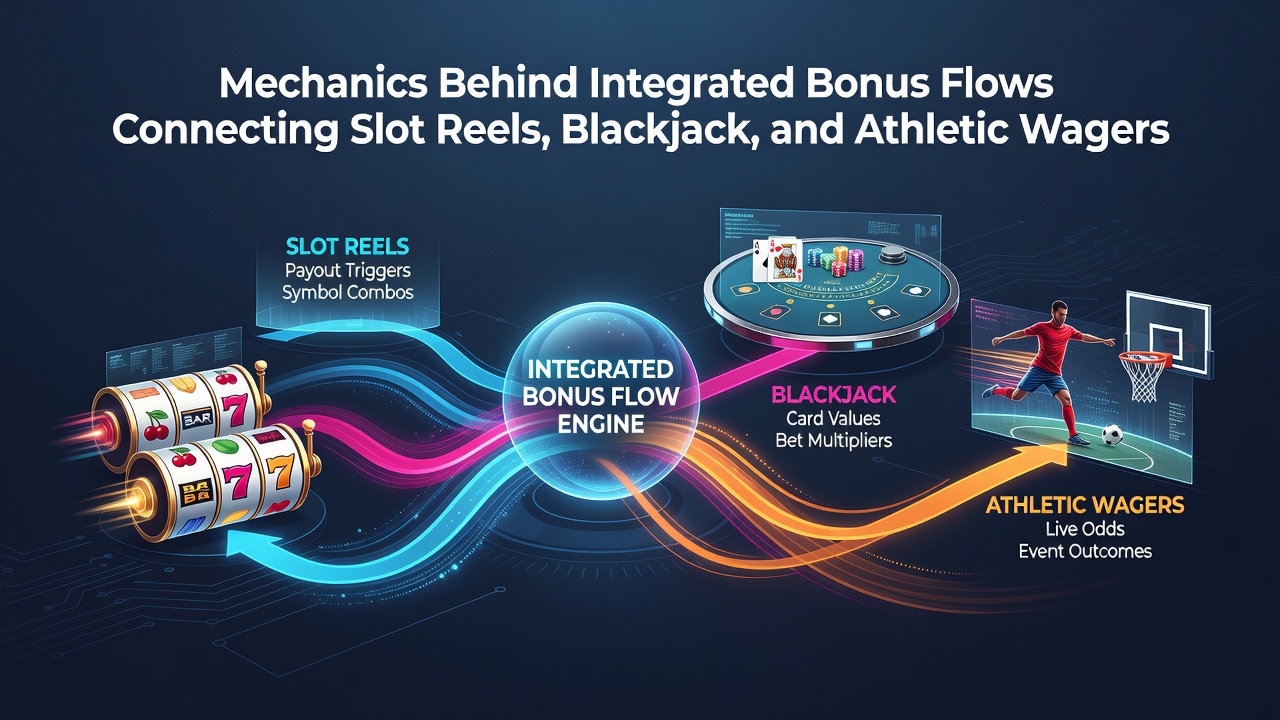
Modern gambling platforms rely on interconnected bonus systems that allow funds and promotional credits to move between slot machines, blackjack tables, and sports betting markets without requiring separate accounts or repeated deposits. These flows operate through centralized tracking software that monitors playthrough requirements across game categories, applying different weighting factors depending on whether activity occurs on reels, card tables, or athletic events.
Core Components of Unified Bonus Tracking
Operators use database architectures that tag each bonus portion with rules for conversion, expiration, and category eligibility, which means a player who activates a welcome package on slots can later apply remaining credits to blackjack hands or live soccer lines once initial wagering thresholds clear. The system records every spin, card draw, and wager in real time, then adjusts the remaining bonus balance according to predefined multipliers that often assign full credit to slots while granting only partial credit to blackjack or sports markets because those verticals carry lower house edges or different risk profiles.
Research from the University of Nevada, Las Vegas Center for Gaming Research shows that integrated platforms reduce player friction by maintaining a single bonus ledger visible across all sections of the site or app, and this setup lets users switch categories mid-session while the software automatically recalculates required playthrough. Data collected across multiple jurisdictions indicates that such systems handle thousands of simultaneous transactions daily, with each transfer logged to prevent duplication or misuse of promotional funds.
Category Weighting and Conversion Rules
Weighting tables determine how much each bet type contributes toward unlocking bonus cash. Slots typically count at 100 percent, whereas blackjack might register at 20 percent and sports wagers at 10 to 50 percent depending on the sport and odds range. This structure encourages continued play across verticals because players must often complete a portion of requirements in each category before full withdrawal becomes available. Platforms enforce these rules through automated scripts that pause bonus release until the weighted total reaches the target figure.
One documented approach involves tiered release schedules where early stages apply only to slots, mid stages open blackjack, and final stages permit sports betting. Observers note that this staged unlocking helps operators manage liability while still delivering the appearance of flexible access. Figures from industry reports reveal that players who engage multiple categories under a single bonus tend to generate higher overall handle than those restricted to one vertical.
Technical Infrastructure Supporting Cross-Vertical Flows
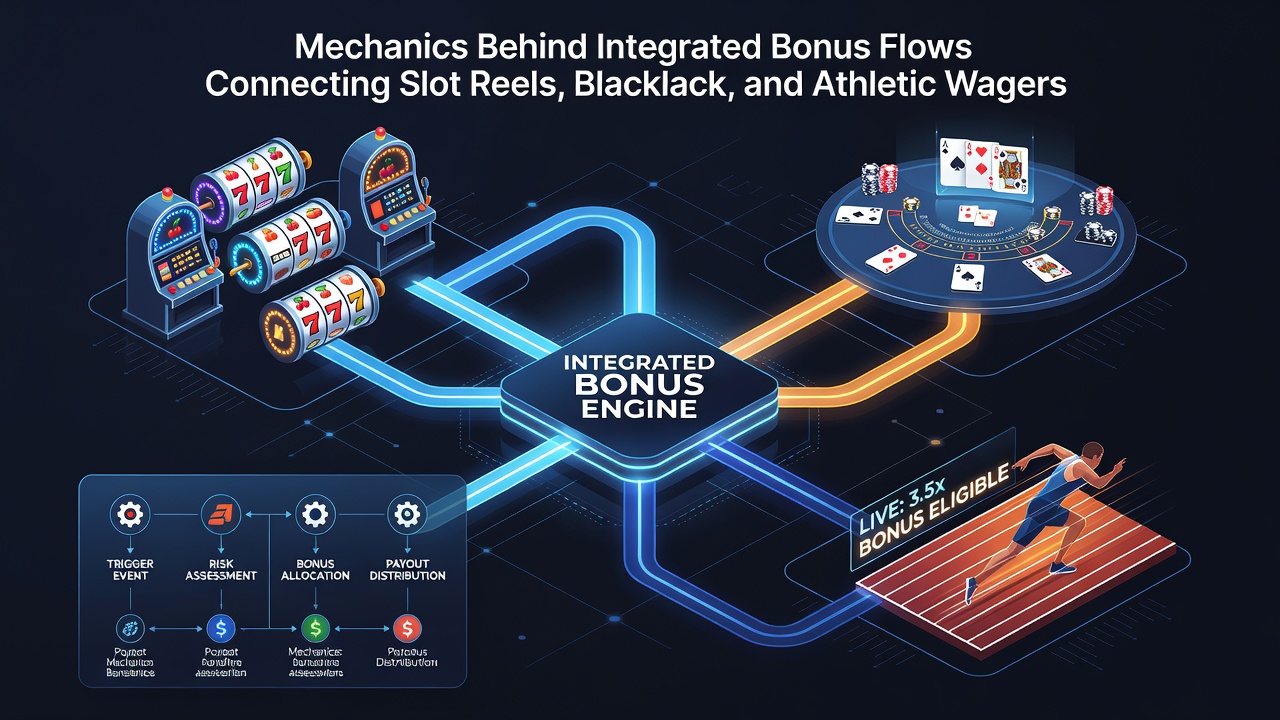
Behind the scenes, application programming interfaces connect the random number generator servers for slots, the card shuffling engines for blackjack, and the odds management systems for athletic wagers to a common bonus engine. When a player places a bet, the engine checks the active bonus ruleset, deducts the appropriate amount from the promotional balance if eligible, and updates both the visible ledger and the hidden audit trail. This architecture supports simultaneous sessions across devices, so activity started on a desktop slot can continue on a mobile blackjack table or through an in-play sports interface without resetting progress.
Security protocols require encryption of all balance updates and regular reconciliation between the bonus engine and the main cashier module. External audits by firms such as the Nevada Gaming Control Board confirm that these reconciliations catch discrepancies before they affect player accounts. The same systems also enforce geographic and age restrictions by cross-referencing player profiles against regulatory databases during each category switch.
Player Journey Patterns Across Integrated Platforms
Players often begin with slot play because those games deliver the fastest progress toward initial targets, then shift to blackjack once the system signals that a new category has unlocked. From there, remaining bonus portions may transfer to sports markets where higher variance allows larger potential returns but also slower requirement completion. Tracking data indicates that sessions spanning all three verticals last longer on average than single-category sessions, partly because the software presents prompts suggesting the next eligible game type once a milestone clears.
Examples from North American and Australian operators demonstrate that bonus flows can include temporary boosts, such as extra credits awarded when a player moves from slots to blackjack within a set time window. These time-bound incentives rely on timestamped database entries that expire automatically if unused, which keeps the system responsive to current promotional calendars without manual intervention.
Regulatory Considerations for Cross-Category Bonuses
Regulators in multiple regions require clear disclosure of weighting tables and conversion mechanics before any bonus activates. Compliance teams embed these explanations in both on-screen terms and downloadable PDFs so that players receive the same information regardless of entry point. In August 2026 several North American jurisdictions plan to introduce standardized reporting formats for multi-vertical bonuses, which will require operators to submit aggregated data on how often credits move between slots, table games, and sports books.
According to information published by the American Gaming Association, transparent bonus mechanics correlate with higher player retention rates because users understand exactly what actions unlock full access. Canadian provincial regulators have similarly emphasized that integrated systems must log every category transition to support responsible gambling tools that track total play across verticals rather than in isolation.
Conclusion
Integrated bonus flows function through layered software rules that track, weight, and release promotional funds as players move between slot reels, blackjack tables, and athletic wagers. The mechanics depend on real-time database updates, category-specific multipliers, and secure API connections that maintain consistency across devices and sessions. Data from academic centers and gaming associations shows these systems handle high transaction volumes while meeting regulatory demands for transparency and auditability. As platforms continue to refine the timing and weighting of cross-vertical transfers, the underlying architecture remains focused on accurate recording and controlled release of bonus value.